
From rising funeral costs to the growing popularity of direct cremations, the UK funeral landscape is changing rapidly. Whether you are planning ahead or arranging a funeral for a loved one, understanding the latest data can help you make informed decisions.
Here are 30+ up-to-date funeral statistics for the United Kingdom.
After two decades working alongside British families as a funeral celebrant, I can tell you the figures below are only half the story. They show where the UK is heading. Rising costs, the steady rise of direct cremation, the quiet decline of the traditional church service. What they cannot show is the room on the day. That part is always personal. Use these numbers to plan with your eyes open. Then set them aside and speak from the heart when it matters.
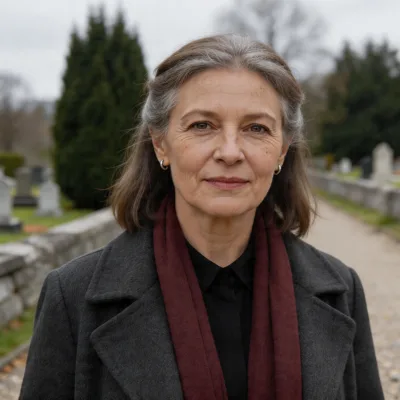 Margaret Pritchard
1. The average UK funeral costs £3,828 in 2025
According to SunLife's Cost of Dying Report 2026, the average cost of a simple attended funeral in the UK reached £3,828. When send-off extras such as flowers, a wake and an order of service are included, the total rises to £5,140.1
This marks another all-time high for funeral spending in Britain, continuing a trend of year-on-year increases that has persisted for over a decade.
2. The total cost of dying in the UK is now £9,797
When professional fees such as probate and headstones are factored in alongside the funeral and send-off, the overall cost of dying has reached £9,797. That figure represents a 1.4% increase on the previous year and a 137% rise over the past two decades.2
For many families, these combined expenses place a significant financial strain on those left behind.
3. A traditional attended burial costs £5,440
A traditional attended burial is the most expensive type of funeral in the UK at £5,440, up 4.7% on the previous year. By comparison, a traditional attended cremation costs £4,200, which is up 5.5%.3
The price gap between burials and cremations continues to widen, largely driven by the rising cost of burial plots in major cities.
4. Direct cremations cost £1,628 and account for 21% of all funerals
A direct cremation, which takes place without a funeral service or mourners present, now costs an average of £1,628 in 2025. This option accounts for 21% of all UK funerals, up 1% on the year before.4
Direct cremations remain the most affordable funeral option and have grown steadily since tracking began in 2017, appealing to families who prefer simplicity or wish to hold a separate memorial event.
5. 53% of UK funerals are attended cremations
An attended cremation remains the most popular type of funeral in the UK at 53%, although this has declined by 2% compared with the previous year. Burials account for 26% (up 1%), while direct cremations make up the remaining 21%.5
The gradual shift away from attended cremations towards both burials and direct cremations suggests a market splitting between those seeking more personalised services and those prioritising affordability.
6. London funerals cost 58% more than those in Northern Ireland
A simple attended funeral in London costs £4,897 on average, making the capital the most expensive place to die in the UK. Northern Ireland is the most affordable at £3,105, a difference of nearly £1,800.6
Other regions fall between these extremes: the East and West Midlands average £4,222, the South East and East of England £4,173, while the North East costs £3,411.
7. London burial plots average £4,863
The cost of a burial plot varies enormously across the UK. In London, the average plot costs £4,863, compared with just £886 in Northern Ireland. This single expense accounts for much of the regional variation in funeral costs.7
The British Seniors Funeral Report 2025 found that the average total funeral cost in London reached £6,499, nearly £2,000 more than the next most expensive region.
8. 648,954 deaths were registered across the UK in 2024
In 2024, a total of 648,954 deaths were registered across the United Kingdom: 568,613 in England and Wales, 62,291 in Scotland and 18,050 in Northern Ireland. England and Wales saw a 2.2% decrease compared with 2023.8
These figures represent the demand for funeral services each year, and with an ageing population, the number of deaths is expected to rise steadily in the decades ahead.
9. UK life expectancy is 79.1 years for males and 83.0 years for females
According to ONS national life tables for 2022 to 2024, life expectancy at birth in the UK is 79.1 years for males and 83.0 years for females. Both figures represent slight increases from the 2019 to 2021 period.9
Life expectancy at age 65 is 18.7 years for men and 21.2 years for women, highlighting the growing population of older adults who will require end-of-life services in coming years.
10. 78% of UK deaths result in cremation
Cremation remains the dominant choice in the UK, accounting for approximately 78% of all deaths. The rate varies significantly by region, with England and Wales at 82.4%, Scotland at 71.7% and Northern Ireland at just 23%.10
The Cremation Society of Great Britain, the only organisation that collects these detailed statistics, reports that over 522,700 cremations took place across the UK in 2024.
11. There are 334 crematoria operating in the UK
The United Kingdom has 334 crematoria in operation, collectively processing over 550,000 cremations each year. These facilities range from Victorian-era buildings to modern purpose-built centres with the latest environmental controls.11
Demand for cremation capacity continues to grow, and several new crematoria have opened or are under construction across England and Wales to address waiting times in busy areas.
12. 18% of families say funeral costs affected their standard of living
According to SunLife's Cost of Dying Report, 18% of people who organised a funeral said paying for it affected their standard of living. Among those, 5% struggled to pay essential bills or rent and 7% had to cut back on essentials such as food.12
Families who fell short needed to find an additional £2,365 on average, with 70% of those experiencing financial difficulty also reporting negative effects on their mental health.
13. Over 4,400 publicly funded funerals take place each year in England
More than 12 publicly funded funerals take place every day across England, totalling an estimated 4,400 per year. The cost to local councils reached £5.96 million in 2022/23, up from £5.63 million the previous year.13
Demand for public health funerals has risen by nearly 13% since 2021/22, driven by family breakdown, social isolation and the financial pressures of the cost-of-living crisis.
14. 57% of public health funerals occur because no family or friends can be found
Among district councils surveyed, 57% said the most common reason for a public health funeral was the absence of any family or friends to arrange it. A further 73% reported that family breakdown was the main reason relatives declined to pay.14
Councils are unable to reclaim a significant proportion of costs, with the average unrecovered amount reaching £30,000 per authority over four years.
15. The Funeral Expenses Payment covers roughly 48% of costs on average
The government's Funeral Expenses Payment, available to eligible benefits claimants, contributes up to £1,000 towards funeral costs such as a coffin and funeral director fees, plus the actual cost of burial or cremation. On average, the payment covers approximately 48% of total funeral costs.15
Despite this support, only 8% of families apply for a government or local authority subsidy, suggesting that many eligible people are unaware the benefit exists or find the process too complex during bereavement.
16. Over 30% of people now prefer to pre-plan or pre-pay for their funeral
More than 30% of UK adults express a preference for planning or pre-paying for their own funeral. Pre-paid plans lock in current prices and spare families the burden of making urgent financial decisions while grieving.16
The trend towards pre-planning has accelerated alongside rising costs, with many consumers seeking to protect their families from unexpected expenses that can run into thousands of pounds.
17. Pre-paid funeral plan sales recovered to 185,000 in 2024
Following the introduction of FCA regulation in July 2022, pre-paid funeral plan sales dipped to around 150,000 in 2023 before recovering to approximately 185,000 in 2024, close to the five-year average.17
Direct cremation plans now account for over 60% of the funeral plan market, and consumers benefit from protections including a ban on cold calling, a ban on commission payments and access to the Financial Services Compensation Scheme.
18. Four in five UK adults have not discussed their funeral wishes
Research shows that 80% of Britons have not discussed their end-of-life plans with family, despite 54% fearing the impact of funeral poverty. One in three people said they find it difficult to talk about death.18
The consequences are significant: only 1% of people know all of their loved one's funeral wishes, and fewer than half know whether the deceased wanted a burial or cremation.
19. 50% of UK funerals now include live streaming
Half of all funerals in the UK now include some form of live streaming, allowing friends and family who cannot attend in person to watch the service remotely. This practice became widespread during the pandemic and has remained popular.19
Professional funeral streaming services typically cost between £300 and £650, and many crematoria now offer built-in webcast facilities as a standard option.
20. 58% of families describe funerals as a celebration of life
More than half of funeral organisers (58%) now describe the service as a celebration of life rather than a traditional funeral. This shift reflects changing attitudes towards death and a desire to focus on positive memories.20
At the same time, 51% of families choose to scatter ashes in a garden of remembrance, remaining the most popular option for the final resting place of cremated remains.
21. 65% of Britons prefer a non-religious funeral
Non-religious funeral preferences have grown steadily from 51% in 2017 to 65% in 2023, with just 17% of people wanting a religious ceremony. The remaining 12% opt for a spiritual service that blends elements of both.21
This trend has fuelled growth in the celebrant industry, with over 2,100 active funeral celebrants now working across the UK, charging between £200 and £600 per ceremony.
22. Gen Z in the UK prefers burials over cremation
In a notable reversal, 41% of UK Gen Z favour traditional burials compared with 35% who prefer cremation. This is the first time in over a decade that a generation has shown a stronger preference for burial.22
Environmental concerns appear to drive this choice, as a single cremation produces approximately 400 kg of carbon dioxide, while natural burials have a considerably lower environmental footprint.
23. Green burial requests have risen 20% in five years
Requests for green burial grounds have increased by 20% over the past five years, and over 70% of UK funeral directors report receiving enquiries about eco-friendly funerals. The UK now has more than 270 accredited green burial sites.23
Green burial plot costs range from around £500 in municipal sections to over £2,000 in popular private woodland settings, making them competitive with traditional options.
24. The UK funeral industry is worth £3.1 billion
The funeral activities industry in the United Kingdom has a market size of £3.1 billion in 2026, having grown at a compound annual growth rate of 4.4% between 2020 and 2025. There are approximately 2,536 funeral businesses operating across the country.24
The market is projected to continue growing, driven by an ageing population and increasing demand for personalised and premium funeral services.
25. The largest funeral firms control around 30% of the market
Dignity Group Holdings and Co-op Funeralcare together hold approximately 30% of the UK funeral market. The remainder is served by independent and family-run funeral directors, many of which have operated for generations.25
National chains tend to charge significantly more than independent providers. The CMA has noted that customers can often save over £1,000 by comparing prices in their local area.
26. Funeral director prices rose slower than inflation following CMA intervention
Following the CMA's Funerals Market Investigation Order 2021, large funeral directors charged an average of just over £2,700 for funeral services between September 2022 and August 2023. While this represents a 4% nominal increase, it is a decrease in real terms once inflation is factored in.26
The CMA's transparency requirements oblige funeral directors to display standardised price lists in branches and online. However, around 250 providers remain non-compliant with these rules.
27. Unattended funeral revenues rose 12% in 2023
Despite overall funeral costs growing slower than inflation, unattended funeral revenues increased by 12% in 2023, outpacing the rate of inflation. The proportion of unattended funerals also rose from 8% to 11% between 2022 and 2023.27
The CMA has flagged this trend as a concern, noting that the growing popularity of budget options should drive costs down rather than up.
28. The UK funeral services market is projected to reach £3.6 billion by 2035
The UK funeral services market is forecast to grow at a compound annual growth rate of 4.1%, reaching approximately £3.6 billion ($4.44 billion) by 2035. Growth is driven by rising demand for pre-paid plans and a shift towards both simplified and eco-friendly alternatives.28
The pre-planning segment shows particularly strong momentum as consumers seek to protect their families from future price increases and the emotional burden of last-minute arrangements.
29. The European funeral products market is valued at $10.84 billion
Europe's funeral products sector was valued at $10.84 billion in 2025 and is projected to reach $16.4 billion by 2032, growing at a 6.09% CAGR. The UK is among the largest contributors, accounting for nearly 32% of European sales.29
Growth is fuelled by demand for sustainable and customisable products, including biodegradable coffins, memorial jewellery and personalised urns.
30. The global funeral services market was worth $62.7 billion in 2023
The worldwide funeral and cremation services market was valued at $62.7 billion in 2023, with projections to reach $87 billion by 2030 at a 6.5% annual growth rate. Urbanisation, cultural shifts and technological innovation are the key growth drivers.30
Virtual memorials, AI-driven personalisation and live-streaming services are reshaping how families across the globe commemorate their loved ones.
Sources
- SunLife(sunlife.co.uk)
- SunLife(sunlife.co.uk)
- NAFD(funeral-directory.co.uk)
- SunLife(sunlife.co.uk)
- NAFD(funeral-directory.co.uk)
- British Seniors(britishseniors.co.uk)
- British Seniors(britishseniors.co.uk)
- ONS(gov.uk)
- ONS(gov.uk)
- Cremation Society(org.uk)
- Cremation Society(org.uk)
- SunLife(sunlife.co.uk)
- Local Government Association(gov.uk)
- Local Government Association(gov.uk)
- Marie Curie(org.uk)
- Reassured(reassured.co.uk)
- FCA(org.uk)
- Funeral Service Times(funeralservicetimes.co.uk)
- UK Funeral Video Services(ukfuneralvideoservices.com)
- Pure Cremation(purecremation.co.uk)
- Academy of Modern Celebrancy(academyofmoderncelebrancy.com)
- Austins Funeral Directors(austins.co.uk)
- Good Funeral Guide(goodfuneralguide.co.uk)
- IBISWorld(ibisworld.com)
- IBISWorld(ibisworld.com)
- CMA(gov.uk)
- CMA(gov.uk)
- Allied Market Research(alliedmarketresearch.com)
- GlobeNewsWire(globenewswire.com)
- Grand View Research(grandviewresearch.com)
Frequently Asked Questions
What is the most common type of funeral in the UK?
An attended cremation remains the most popular choice at 53% of funerals, though it has slipped slightly. Burials account for around 26% and direct cremations for 21%. Overall, roughly 78% of UK deaths result in cremation.
Why are direct cremations becoming more popular?
A direct cremation takes place without a service or mourners present, making it the simplest option. It now accounts for 21% of UK funerals and has grown steadily since 2017, appealing to families who prefer simplicity or who plan to hold a separate memorial later.
Which part of the UK has the most expensive funerals?
London is the most expensive place to arrange a funeral, driven largely by high burial plot prices, while Northern Ireland is the most affordable. The difference between the two is substantial, and the cost of the burial plot is the single biggest factor behind the regional variation.
Are religious funerals still the norm in the UK?
No. Non-religious funeral preferences have grown from 51% in 2017 to 65% in 2023, while only 17% of people now want a religious ceremony. More than half of families now describe the service as a celebration of life rather than a traditional funeral.